
The difference between a sound investment and an expensive regret is often whether the property was chosen against a strategy or sold through a brochure. This case study follows one real offer through the first screen of due diligence, and shows why it failed within minutes.
The research team that supports ASPIRE Accredited Advisors receives marketing for new property every week: polished brochures, investor bonuses, rental guarantees and urgent deadlines. The large majority of these offers do not pass the first screen. The example below, assessed in May 2025, shows what that screen looks for and why each step matters to an investor reviewing any off-the-plan offer.
The pitch: eight exclusive homes
A seven-page brochure described a boutique infill project of eight homes, with a note that more could be released once these were sold. The offer included:
- three-bedroom house and land packages from about $579,000, on lots of about 307 square metres with homes of about 123 square metres;
- four-bedroom packages from about $589,000 to $632,000, on lots of 307 to 329 square metres with homes of about 159 square metres;
- a free investor pack and a rental guarantee; and
- location claims of affordable housing and strong rental demand.

Step one: price against the local market
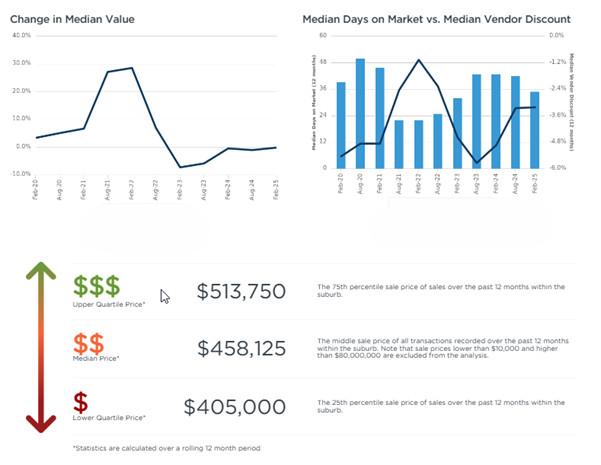
The first test is simple: how does the asking price compare with what the local market actually pays? Sales data for the suburb at the time showed a lower quartile of $405,000, a median of $458,125 and an upper quartile of $513,750 (CoreLogic, now Cotality, May 2025).
| Measure | Local value | Asking price premium |
|---|---|---|
| Median | $458,125 | about 26% to 38% above |
| Upper quartile | $513,750 | about 13% to 23% above |
The packages were priced above every recent sale of a comparable home, not at market value. A newer three-bedroom home on a larger block had sold for $530,000, and established four-bedroom homes on blocks of 571 to 719 square metres had sold for between $334,000 and $585,000. In a suburb where land size drives value, the offer asked investors to pay more for less land.
Step two: test the rent, not the guarantee
The rental appraisal supplied with the brochure sat at the top of the local range, and comparable listings and recent leases did not support it. A rental guarantee is designed to remove an investor's fear of vacancy. In practice it is often priced into the purchase, it can mask soft demand or a concentration of investor stock, and it ends. A location with genuine rental demand does not need one.
Step three: check the location data
Every location is screened against a matrix of demographic, infrastructure, supply and market measures. Two results stood out.
- About 54% of dwellings in the suburb were rented. The research guideline for long-term capital growth is generally no more than 30%. A tenant-heavy suburb means more competing rental stock and fewer owner-occupiers to buy from you when you sell.
- Unemployment was about 10.5%, roughly double the state average of about 5% at the time (Census 2021). That affects tenant stability and long-term demand.
These measures are guidelines that inform an advisor's judgement, not automatic approvals or rejections of any individual property. In this case either result alone would have warranted serious caution.
Step four: look at what the brochure left out
Before any data is reviewed, the site itself is examined on current aerial imagery. This step settled the matter.
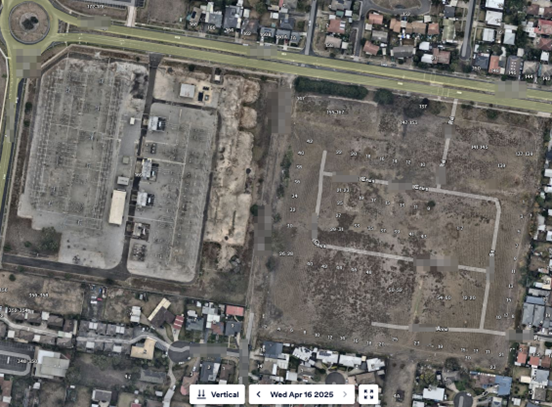
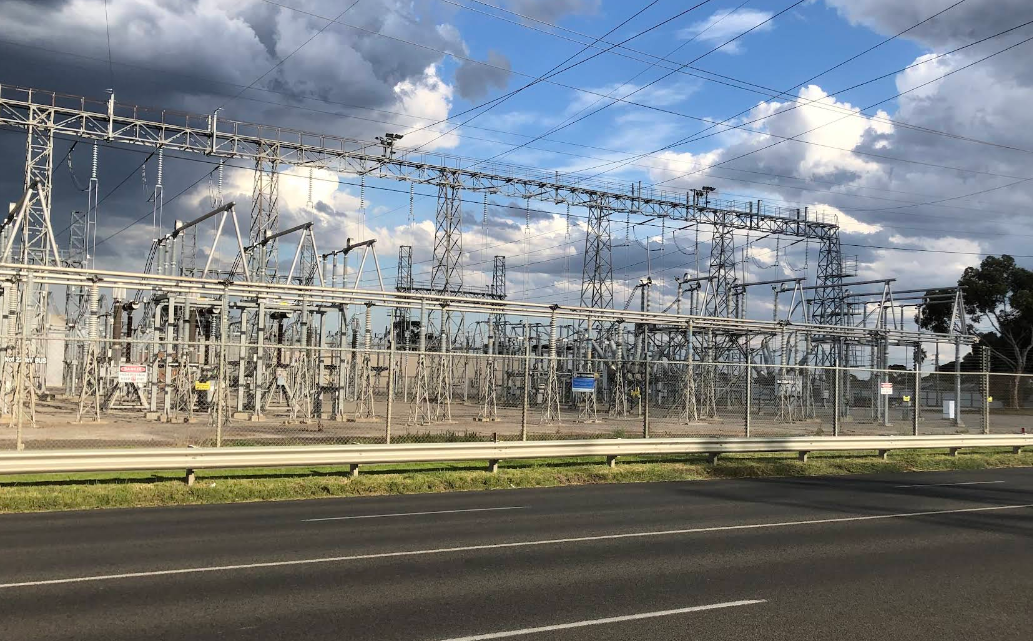
- A major high-voltage electricity substation sat beside the site.
- The lots adjoined a multi-lane arterial road, bringing noise and traffic.
- The eight homes were two rows of four, designed as investor stock with little appeal to owner-occupiers.
The question every investor should ask is who will buy the property from them in ten years. In a renter-dominated suburb, few owner-occupiers will pay a premium to live beside a substation and a main road.
Why this matters beyond one offer
The language, the urgency, the bonuses and the guarantee in a brochure are designed to complete a sale. They say nothing about how the property will perform for the person who holds it. A disciplined review replaces them with four things: real sales and rental evidence, local demographic data, an independent assessment of the asset and, above all, a strategy that defines what the property must achieve before any property is considered. The research and acquisition support that sits behind ASPIRE Accredited Advisors exists to do this work on every property an investor considers.
None of this is a criticism of the homes themselves, which may well suit the people who eventually live in them. The point is that a suitable home and a suitable investment are different tests.
Questions to ask about any off-the-plan offer
- Price. How does the price compare with the local median and upper quartile for similar land and homes?
- Rent. Is the appraised rent supported by recent leases, without a guarantee?
- Owner-occupiers. What share of the suburb is rented, and who will buy from you when you sell?
- Site. What does current aerial imagery show around the lot?
- Who is paid. Who is paid on this sale and how much, and is it disclosed in writing?
For more on recognising sales-led marketing, see how to spot a property spruiker and the common pitfalls of new-build investment.
Have an offer reviewed before you sign
An ASPIRE Accredited Advisor acts for you, not for a developer, marketer or agent, and can review any property against your strategy and the evidence before you commit.
General information only. This case study reflects data available in May 2025 and does not identify the project. It does not take account of your objectives, financial situation or needs. Property investment involves risk. Research ratings and guidelines inform an advisor's assessment and are not approvals of individual properties. Seek legal advice from a solicitor or conveyancer before signing any contract.